
I will explain why I don’t drop the #Computational in #Design even if I believe it will be plainly called “Design” once it permeates the culture.
There was a time when globalization was a thing- Back in 2000’s the word was not to be found in household dictionaries. Disruptive innovative concepts permeate culture to the point they get normalized.
Computational Design is one of those, it’s not a tool like I recently read in a post referring to a similar concern to what is understood by it. No, Computational Design is a design method, a computational design thinking is required, and like all design methods they change the way the problem is understood and solved. In this sense designers that incorporate computational design thinking into their strategies have the power to influence the resulting aesthetics to correspond to the times they live in. Let’s recall what Corbusier so well stated and the German philosophy elegantly formulated with the spirit of our times and how the architecture represents it. Architecture is the expression of the methods and materials of our times, and good architecture doesn’t just exist in a time —it belongs to its time*. The Zeitgeist—a German word meaning “spirit of the time”—is about the general mood, ideas, values, and cultural climate that define a specific period in history**. Therefore, architecture represents core values of a society sculpted and petrified with an intrinsic code. In a sense I no longer see modern architecture goals as my own (as you’re expected in architecture uni. – might be a generalization but a fair one). We live in a century that stands in awe before technological developments while facing major crisis and is severely wounded environmentally speaking. Of course, architecture and design have a responsibility to reflect on the issues of our societies and come back with intelligent solutions. Design is the means to shape reality, society, our conscious self and collective consciousness. We have the power to shape the world we want to live in, not just react to it. When we do, aesthetics naturally emerge as a meaningful outcome, not just a starting point: Aesthetics is the result of the Zeitgeist. As I tell my students, they are barely scratching the surface of computational design, “mark the day you entered this world, this will change the way you understand design and life itself”. You see, once we are enhanced by technology and novel design methods to address the need of our time, would you go back to pen and paper? The shape and form become a consequence of an intelligent design and not a formal desire of one so-called -Mastermind.

Through intelligent collaboration of Data and Design Strategies join to address the requirements of an Era. We have to stop designing buildings like we did 200 hundred years ago, even 50, 10 years ago! I love the modern movement, the post-moderns, the early 2000s, the primordial renaissance and I respect every creative act as they emerge in history. The top-down time is over! The time is Now! Let design be smart, intelligent and start solving the problems these decades have. By building so many resources are depleted in construction, that what good is it if every architect-designer-engineer-data scientist becomes vegan – if the AEC/O industry continues with the same disease to contaminate and respond slowly- if ever – to the resources crisis our planet is facing.

For this reason, I consider myself a designer, an architect and design strategist, sustainability and environmentally oriented. I use my computational design thinking as I use what I learned from the Bauhaus, from the tropical Moderns, and from Vitruvius. I consider my job and my responsibility, to think and design according to the needs of the era, to bring solutions to current complex problems. To design for the future, I want to help shape. No, computational design is not a tool, it is not data-science and it’s not BIM.
Computational Design is the Zeitgeist of our time. Fast forward 20 years, we will look back and say, remember how we the designers used to be called “the computationals”. I hope you agree and help us shape a new dimension for Architecture with the collaborative use of our beautiful minds with new design strategies (enhanced by data) and deploy our full creative potential.
Warning: This text came from the heart and was not Chatgp-ed.
*La Machine à habiter, 1929 – Le Corbusier
**Philosophers such as Adorno, Benjamin, Kant, and Hegel, among others…
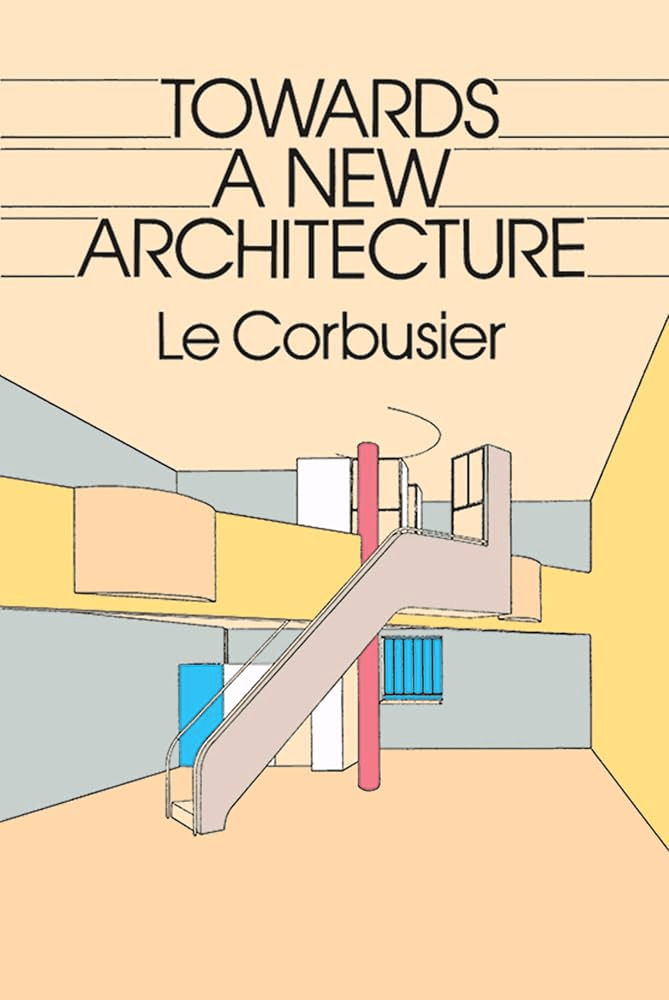
Towards a new architecture, Le Corbusier,
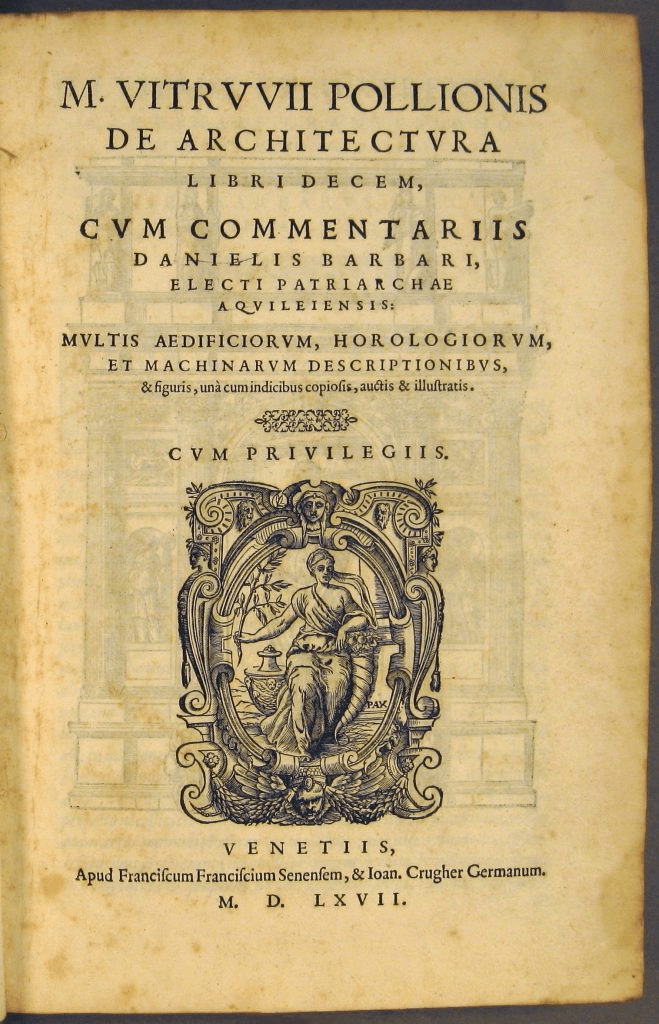
Vitruvius, De Architectura (also known as The Ten Books on Architecture)
“Well building have three conditions: firmness, commodity, and delight.”
(Firmitas, Utilitas, Venustas)


Bravo Melicia! I like the spirit of your reflection. It seems that you speak from a vanguard, ahead of times. It’s also intriguing, because the text doesn’t explain how that approach (computational design – CD) works. For example, how data and AI get to play a role? And, even more important, what makes the difference against other (known) design approaches and how that makes CD a better one? I’m curious, hahaha! Please, receive a big hug from Caracas!
Moises.
LikeLike