The Computational Zeitgeist

I will explain why I don’t drop the #Computational in #Design even if I believe it will be plainly called “Design” once it permeates the culture.

There was a time when globalization was a thing- Back in 2000’s the word was not to be found in household dictionaries. Disruptive innovative concepts permeate culture to the point they get normalized.

Computational Design is one of those, it’s not a tool like I recently read in a post referring to a similar concern to what is understood by it. No, Computational Design is a design method, a computational design thinking is required, and like all design methods they change the way the problem is understood and solved. In this sense designers that incorporate computational design thinking into their strategies have the power to influence the resulting aesthetics to correspond to the times they live in. Let’s recall what Corbusier so well stated and the German philosophy elegantly formulated with the spirit of our times and how the architecture represents it. Architecture is the expression of the methods and materials of our times, and good architecture doesn’t just exist in a time —it belongs to its time*. The Zeitgeist—a German word meaning “spirit of the time”—is about the general mood, ideas, values, and cultural climate that define a specific period in history**.  Therefore, architecture represents core values of a society sculpted and petrified with an intrinsic code. In a sense I no longer see modern architecture goals as my own (as you’re expected in architecture uni. – might be a generalization but a fair one). We live in a century that stands in awe before technological developments while facing major crisis and is severely wounded environmentally speaking. Of course, architecture and design have a responsibility to reflect on the issues of our societies and come back with intelligent solutions. Design is the means to shape reality, society, our conscious self and collective consciousness.  We have the power to shape the world we want to live in, not just react to it. When we do, aesthetics naturally emerge as a meaningful outcome, not just a starting point: Aesthetics is the result of the Zeitgeist. As I tell my students, they are barely scratching the surface of computational design, “mark the day you entered this world, this will change the way you understand design and life itself”. You see, once we are enhanced by technology and novel design methods to address the need of our time, would you go back to pen and paper? The shape and form become a consequence of an intelligent design and not a formal desire of one so-called -Mastermind.

Through intelligent collaboration of Data and Design Strategies join to address the requirements of an Era. We have to stop designing buildings like we did 200 hundred years ago, even 50, 10 years ago! I love the modern movement, the post-moderns, the early 2000s, the primordial renaissance and I respect every creative act as they emerge in history. The top-down time is over! The time is Now! Let design be smart, intelligent and start solving the problems these decades have. By building so many resources are depleted in construction, that what good is it if every architect-designer-engineer-data scientist becomes vegan – if the AEC/O industry continues with the same disease to contaminate and respond slowly- if ever – to the resources crisis our planet is facing.

For this reason, I consider myself a designer, an architect and design strategist, sustainability and environmentally oriented. I use my computational design thinking as I use what I learned from the Bauhaus, from the tropical Moderns, and from Vitruvius. I consider my job and my responsibility, to think and design according to the needs of the era, to bring solutions to current complex problems. To design for the future, I want to help shape.  No, computational design is not a tool, it is not data-science and it’s not BIM.

Computational Design is the Zeitgeist of our time. Fast forward 20 years, we will look back and say, remember how we the designers used to be called “the computationals”.  I hope you agree and help us shape a new dimension for Architecture with the collaborative use of our beautiful minds with new design strategies (enhanced by data) and deploy our full creative potential.

Warning: This text came from the heart and was not Chatgp-ed.

*La Machine à habiter, 1929 – Le Corbusier
**Philosophers such as Adorno, Benjamin, Kant, and Hegel, among others…
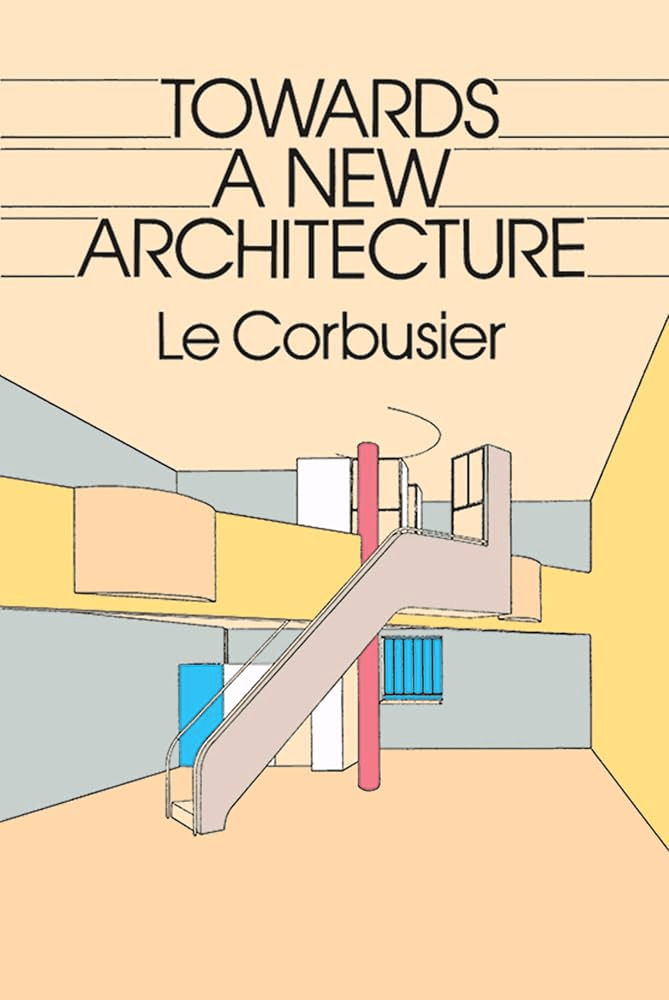
Towards a new architecture, Le Corbusier,
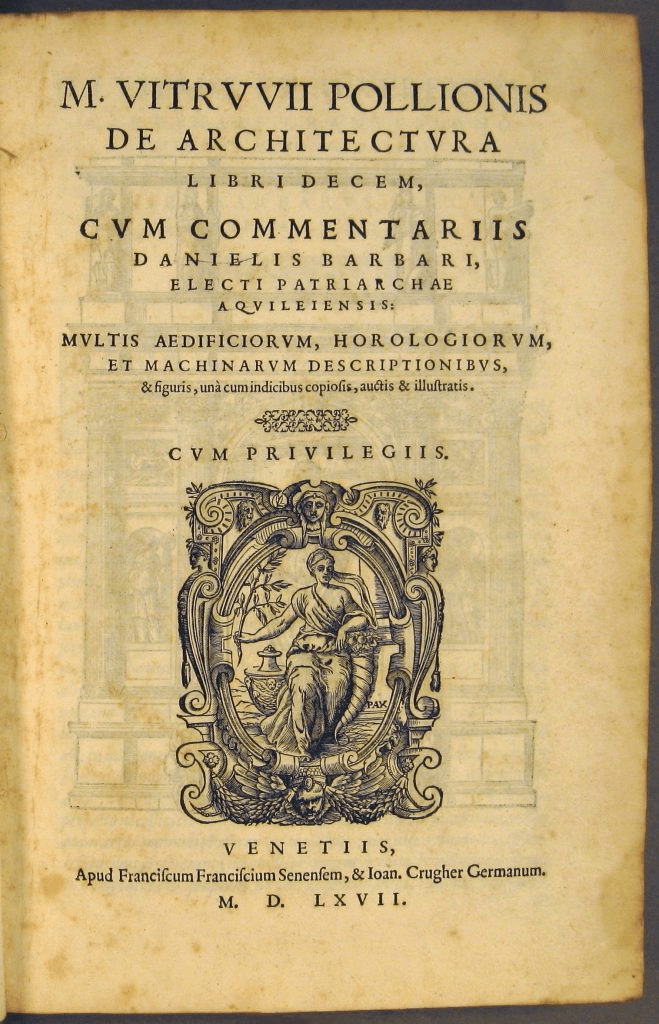
Vitruvius, De Architectura (also known as The Ten Books on Architecture)

“Well building have three conditions: firmness, commodity, and delight.”
(Firmitas, Utilitas, Venustas)
When I decided to become a Computational Designer

Many years ago, in a galaxy not so far away…

…there was an architect, trapped in the old ways—drawing in CAD, repeating the same routines, redrawing everything every time a client so much as sneezed. A cycle of black screens, endless lines, endless revisions, and endless frustration.

But this isn’t just one architect’s story. You know that…

Yes, the future doesn’t have to be this way. There is another path. A rebellion against mindless repetition. An escape from Crazy, Unintelligent Drawing. I joined the revolution.

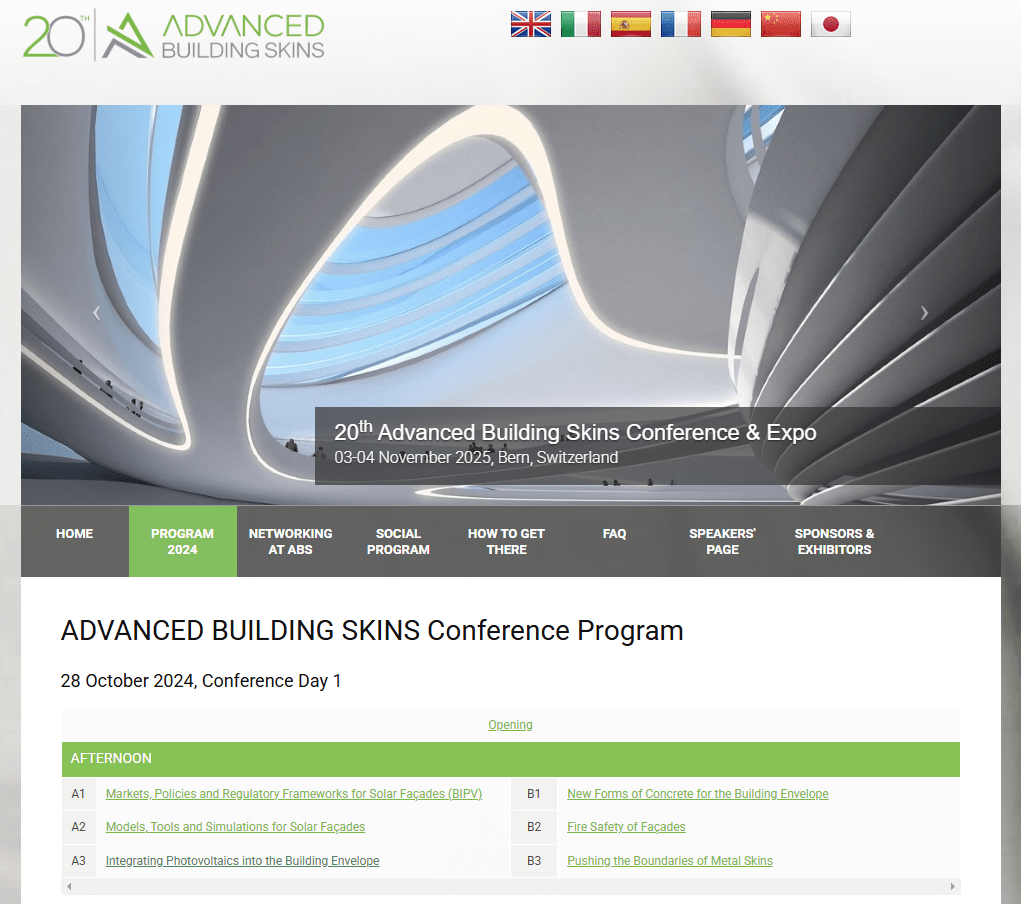
Advanced Building Skins 2024. Bern Switzerland

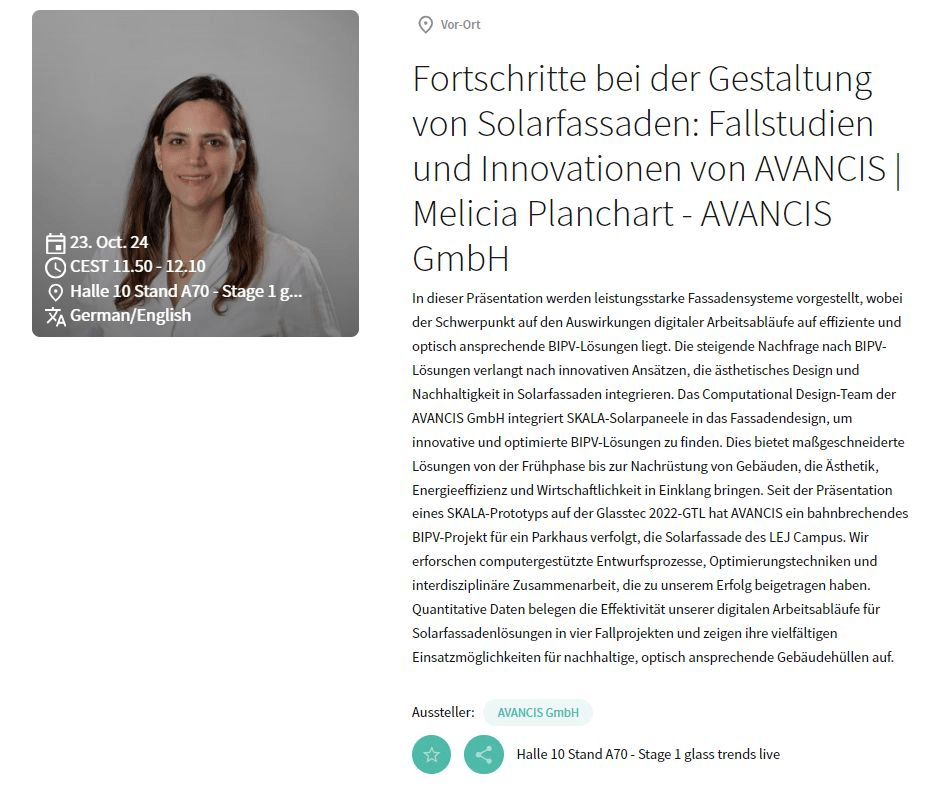
It was a pleasure to present at the Advanced Building Skins Conference in Bern, discussing Computational Design for Solar Façades!

In my session, I explored how computational design is shaping the future of solar façades by:

🔹 Innovating Solar Façade Design: Unveiling creative solutions that combine aesthetics with functionality.

🔹 Optimizing with Computational Modeling: Leveraging algorithms and data to enhance efficiency and performance.

🔹 Showcasing Success Stories: Sharing real-world examples of impactful solar façade projects.

It was a fantastic opportunity to dive deep into the possibilities of solar integration in architecture!

Melicia Planchart, AVANCIS, Torgau, German

https://abs.green/2024/integrating-photovoltaics-into-the-building-envelope-1

Talk in Glasstec 2024 – Glass trend Live

Computational Design /// Solar Facades /// Glasstec 2024 /// Façade Innovation // AVANCIS

Last October, #Glasstec2024 was held at the Düsseldorf Exhibition Centre, and I had the privilege of presenting my conference on “Advancements in Solar Façade Design” It was an incredible experience to discuss the latest developments in #SolarFacadeDesign and share how #ComputationalDesign is transforming the way we approach energy-efficient building facades.

The opportunity to connect with industry leaders and exchange insights was truly invaluable. A big thank you to everyone who attended and participated in the discussions—your questions and feedback made the session even more engaging. Looking forward to future events and collaborations!

A big thank you to everyone who attended the talk at #Glasstec! It was a pleasure sharing insights on computational design-driven solutions and discussing how we can push the boundaries of solar façade innovation.

I truly appreciated the thoughtful questions and engaging discussions, especially as we presented our latest developments. Excited to see how these ideas continue to shape the future of Solar Facade Design!

Glasstec 2024 glass trends live: Conference Talk Advancement in Solar facade Design . Melicia Planchart

Jencks’ theory of evolution, an overview of 20th Century architecture, 12 July 2000 By Charles Jencks Archive

ARTICLE REVIEW

I find these diagrams fascinating. While they have helped me understand and extract valuable information about my own design and political compass in the global scene, they don’t fully apply to my constellation, as I come from a different land and era. However, they have definitely helped me pave a path and develop other diagrams for myself. MP

source : https://www.architectural-review.com/archive/jencks-theory-of-evolution-an-overview-of-20th-century-architecture

Through a set of mind maps-diagrams, Charles Jencks provides an insightful and creative overview of the architectural landscape in the 20th century, examining the rise and fall of movements, key figures, and architectural innovations. The article highlights the complexity of the century’s architectural narrative, which defies a single, linear story. Instead, it is portrayed as a turbulent and competitive drama driven by social movements, technological advances, and individual creative forces.

Key Insights:

  1. The ‘10-Year Rule’ of Reinvention: Jencks emphasizes the cyclical nature of creativity among major architects of the 20th century, such as Mies, Le Corbusier, and Gehry, who reinvented themselves every decade to stay relevant. This reflects the constant evolution of the profession in response to shifting societal and technological forces.
  2. Le Corbusier’s Influence: Jencks explores Le Corbusier’s enduring impact, noting his ability to adapt across multiple architectural traditions throughout his career. His work spanned several periods, from the Heroic Period of the 1920s to the symbolic architecture of Ronchamp and the High-Tech movement, cementing his reputation as a dynamic force in architecture.
  3. Architecture as a Reflection of Turbulent Times: The 20th century’s architectural creativity was heavily influenced by the tumultuous global events, including wars and technological revolutions. The constant shifts in style and fashion, driven by both individual visionaries and mass movements, contributed to a fragmented but vibrant architectural landscape.
  4. The Role of Non-Architects in Shaping Architecture: Jencks highlights that much of the architecture produced in the 20th century was not the result of individual architects but stemmed from broader societal forces such as building regulations, mass housing, and economic imperatives. These larger processes often went unrecognized in architectural discourse.
  5. Ecology and Architecture: The environmental movement became a shared concern across architectural traditions, with different schools of thought—including Classical, Post-Modern, and High-Tech—adopting ecological principles in their designs. This marks a significant shift towards sustainability, transcending traditional divides.
  6. Gaudi as a Creative Standard: Jencks presents Antoni Gaudí as one of the most creative architects of the century, surpassing even Le Corbusier in his ability to merge art, craftsmanship, and architecture. Gaudi’s use of structural innovation, combined with deep symbolic meaning, set his work apart, making him a standard of creative architectural genius.
  7. The Influence of Corporate and Government Forces: Jencks discusses how corporate Modernism, shaped by economic forces and patronage, became dominant after World War II. This style, though powerful in terms of output, lacked the creativity and depth seen in earlier movements.

Jencks’ article paints a picture of the 20th century as a constantly shifting and highly dynamic period in architecture, marked by rapid change, creative reinvention, and competing ideological and technological forces. The legacy of this era is not just in iconic buildings but also in the larger forces that have shaped the built environment.

Published in Charles Jencks’ article “In what style shall we build”. Architectural Review, 237(1417), March 2015, 90-101. [Charles Jencks usually mentioned that these maps were free of copyright so they could be an open source for further developments]

Published in Charles Jencks’ article “Jencks’s Theory of Evolution: an overview of twentieth-century architecture”. Architectural Review, 208(1241), July 2000, 76-79.

other references> https://www.researchgate.net/publication/338555839_Six_Traditions